AI in Healthcare: Our Co-pilot, Not Another Burden
As Chief Clinical Executive—and before that, as a nurse on the front lines—I’ve seen technology waves come and go. Some have lightened our load. Others, frankly, have added to it. So, when I hear the buzz and lofty promises around Artificial Intelligence transforming hospital operations, my first thought is always: How will this truly help our clinicians do what they do best?
AI initiatives must be outcome-driven—not just technology for technology’s sake. For those of us dedicated to patient care, those outcomes are clear: better patient safety, improved experiences, and a sustainable environment where our skilled clinicians can practice at the top of their license. From my vantage point, there are a few core ways AI must function to be truly transformative in our world.
- First, AI must offer real-time visibility—delivering hindsight, insight, and crucially, foresight. One immediate area of impact is decision support for bed management and patient flow. These are complex, time-consuming processes that don’t need to be manually managed at every step. Even more powerfully, imagine AI intelligently analyzing trends to anticipate what’s likely to happen next: predicting patient surges, identifying early signs of sepsis risk, or forecasting staffing needs based on acuity and admissions. This shifts us from reactive problem-solving to proactive care and resource management—a game-changer for patient outcomes and clinician well-being.
- Second—and perhaps most passionately for me as a nurse—AI must reduce cognitive load through intelligent task automation. The administrative burden on care teams is unsustainable. It pulls them away from patients, drains mental energy, and contributes to burnout. Here, AI can serve as the ultimate clinical assistant: filtering alerts, prioritizing tasks, even drafting components of documentation. This frees up time for direct assessment, critical thinking, and compassionate care—what nurses do best.
- Finally, AI’s potential must be grounded in tangible operational outcomes. That means co-designing solutions with frontline clinicians from day one. Their insight ensures that AI addresses real-world challenges in practical ways, earning trust and adoption—turning new tech into intuitive, valued tools, not just another layer of complexity.
What excites me most about TeleTracking’s approach to AI is this: We don’t have an AI strategy—we have an outcomes strategy. We’re not chasing innovation for its own sake; we’re using it to solve the real—and yet-to-be-discovered—problems facing healthcare operations today.
As a clinician, I’d be remiss not to recognize the timing of this conversation during Nurses Month—and to highlight the incredible work nurses do every day to make lives better. Nurses are not just caregivers. They’re leaders, innovators, problem-solvers, and relentless advocates.
And the stories I’ve been sharing recently on my LinkedIn channel—under the theme “Beyond the Bedside”—are a testament to exactly that. I hope you’ll see just how important Nurses are to me personally and the work we’re doing at TeleTracking. Read my posts.
About the expert
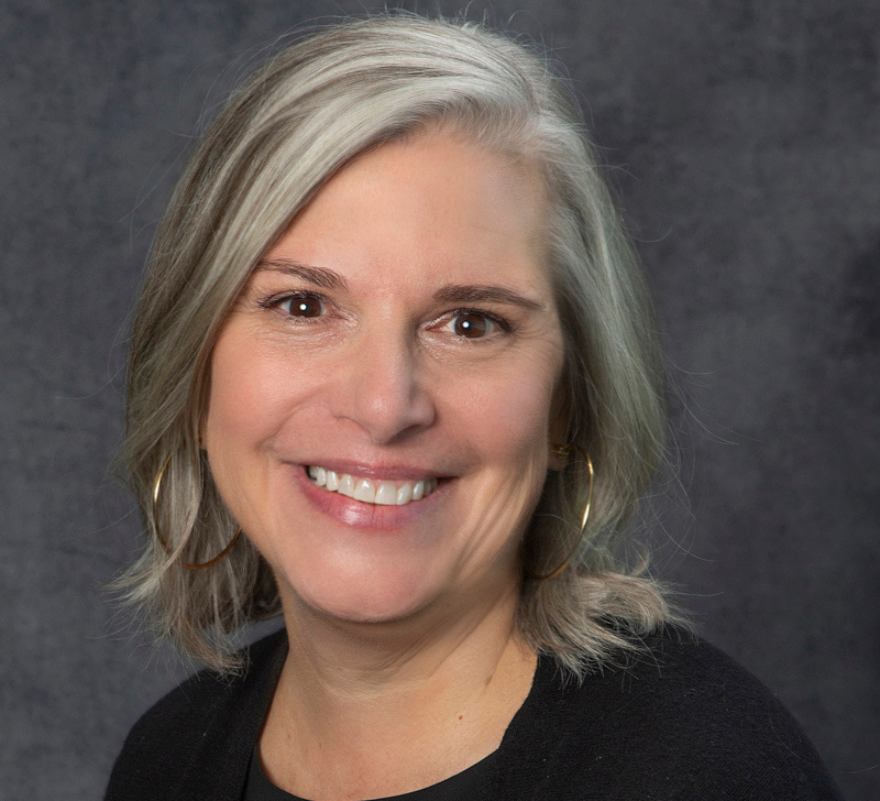
Michelle Skinner, RN, BSN, MBA
Chief Clinical Executive